A long-running conflict between the government of Muslim-majority Indonesia and the predominantly Christian population of West Papua shows no sign of ending. Since 2018 frequent violent clashes have forced tens of thousands of Papuans from their homes. The displaced are living in precarious conditions.
The indigenous people of West Papua – a province in the western half of the island of New Guinea – have been Christian for generations. More than 95 percent of indigenous Papuans are Christians of various denominations.
After being colonized by the Dutch in 1898, West Papua became part of Indonesia in 1963 but under United Nations General Assembly Resolution 1514 of 1960 it retained the right to self-determination. In 1969, a contentious referendum known as the “Act of Free Choice” took place. Just 1,025 people handpicked by the Indonesian military were allowed to vote in the plebiscite which delivered a unanimous vote in favor of Indonesian control.
The Indonesian government treats West Papua as a colony to be exploited. Land dispossession, mining operations, deforestation, and military operations threaten not just the way of life of the Papuans, but their very existence. In this situation, churches are among the few actors standing behind the indigenous people.
Settlement program
The number of non-indigenous people, many of whom are not Christian, has outgrown the number of indigenous Papuans due to the transmigration program carried out by the Indonesian government from the 1970s. Hundreds of thousands of people from other parts of the country settled in West Papua causing the change in the region’s demography and bringing it under Indonesia’s control.
In 2001, Indonesia granted West Papua special autonomy, but this has not halted the immigration and Islamization projects, according to a report by the West Papua Council of Churches.
Tens of thousands displaced
Since the 1960s, the government has been fighting a pro-independence armed group, the Free Papua Movement. The conflict, combined with the immigration from other parts of Indonesia, has caused massive displacement of the native population.
In the past five years the conflict has intensified in Papua’s central highlands. Church leaders and civil society groups are calling for a peaceful solution, but the military continues to target civilians, driving them from their homes.
The West Papua Council of Churches report states that more than 60,000 indigenous Papuans had fled their homelands in the highlands by the end of 2021. Villages have been depopulated and churches abandoned by the movement of people into urban centers.
Economic interests
While the dispute over West Papua’s political status within Indonesia has been the historical backdrop to the conflict, there is also an economic dimension. The region is rich in natural resources, which the government is keen to tap.
CSI’s partner organization, STT Walter Post’s Center for Human Rights and Pastoral Studies*, says the government is trying to consolidate control over the region. It is doing so through the construction of the Trans-Papua highway in indigenous territories and the granting of mining and plantation concessions without the consent of the indigenous people.
Instead of addressing Papuans’ grievances, the government is focused on development and infrastructure programs that chiefly benefit nonindigenous people residing in coastal and urban areas, critics say.
Human rights abuses
UN human rights experts have expressed serious concerns about the deteriorating human rights situation in the provinces of Papua and West Papua. In a media release dated March 1, 2022 they listed abuses against indigenous Papuans, including child killings, disappearances, torture and mass displacement.
The experts called for urgent humanitarian access to the region, and urged the Indonesian government to conduct full and independent investigations into abuses against the indigenous peoples.
Additionally, they called for unrestricted humanitarian access to areas where indigenous Papuans are now located after being displaced by the conflict.
Five families under one roof
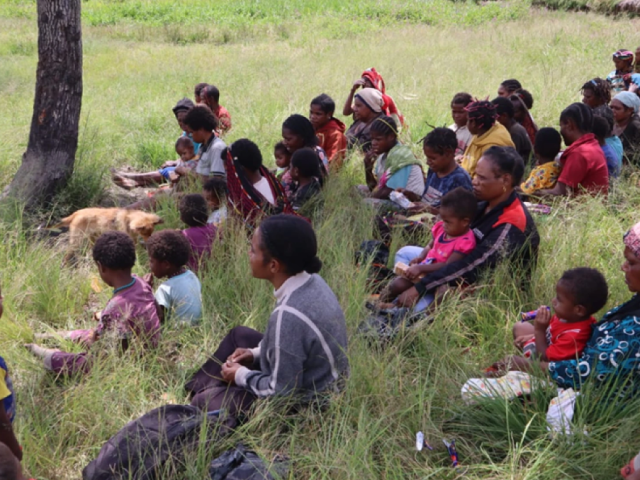
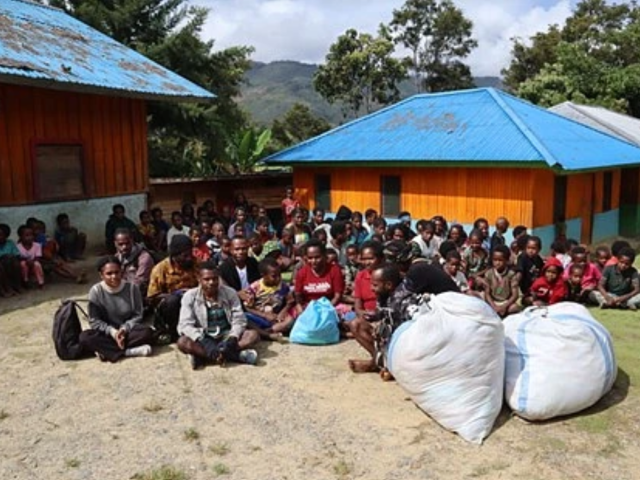
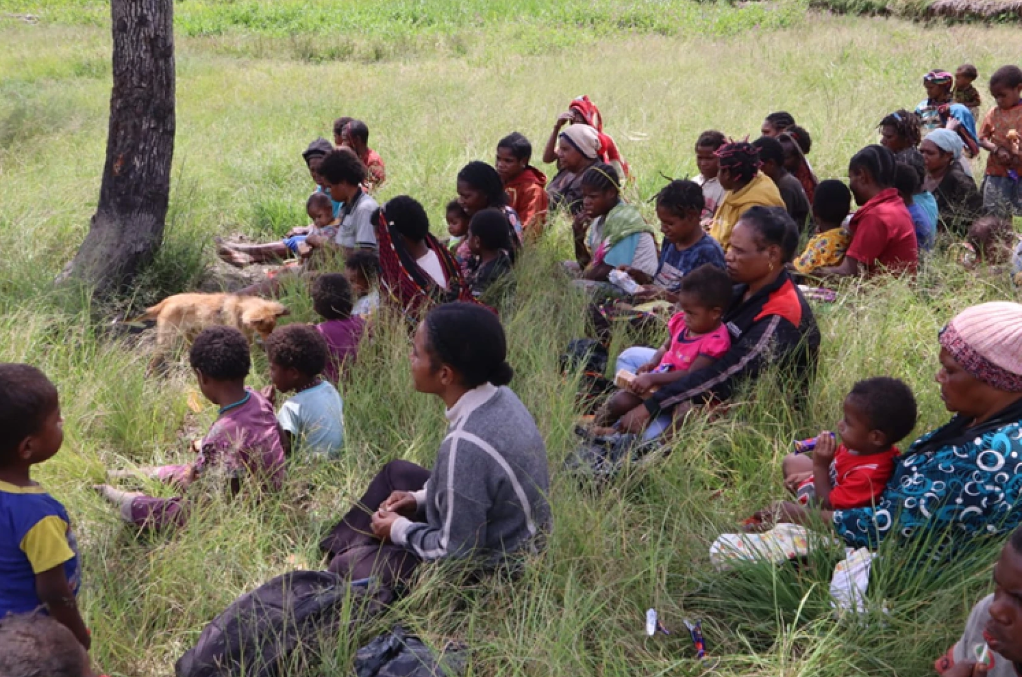
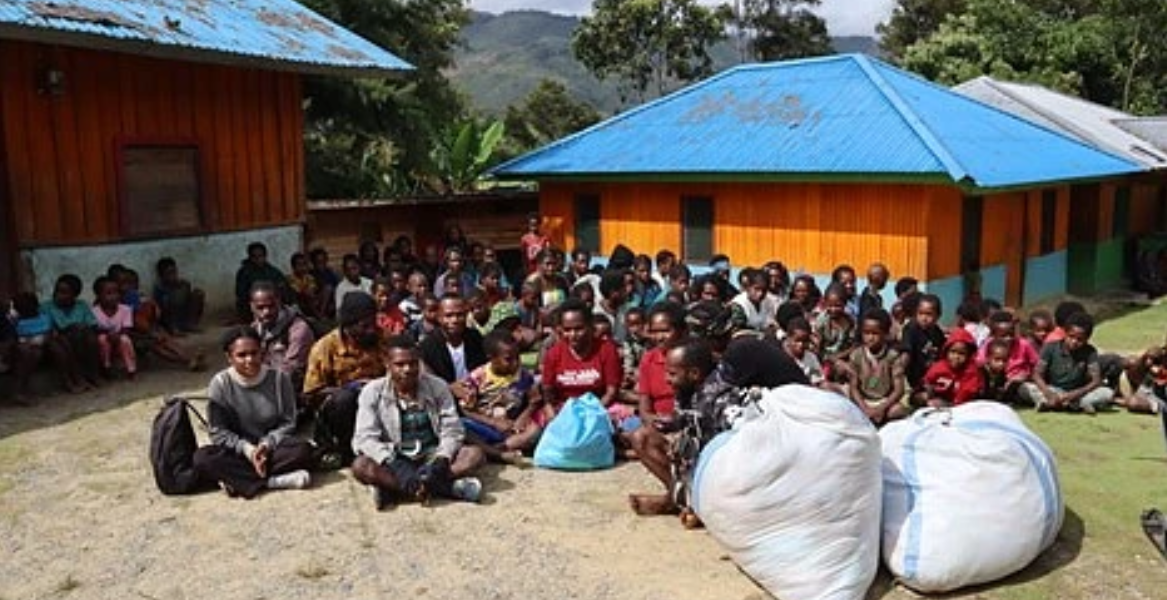
In a recent video report, CSI’s partner documented the plight of some of those displaced from Nduga in the central highlands. When conflict broke out there in 2018, they walked for four days with their children to get to safety.
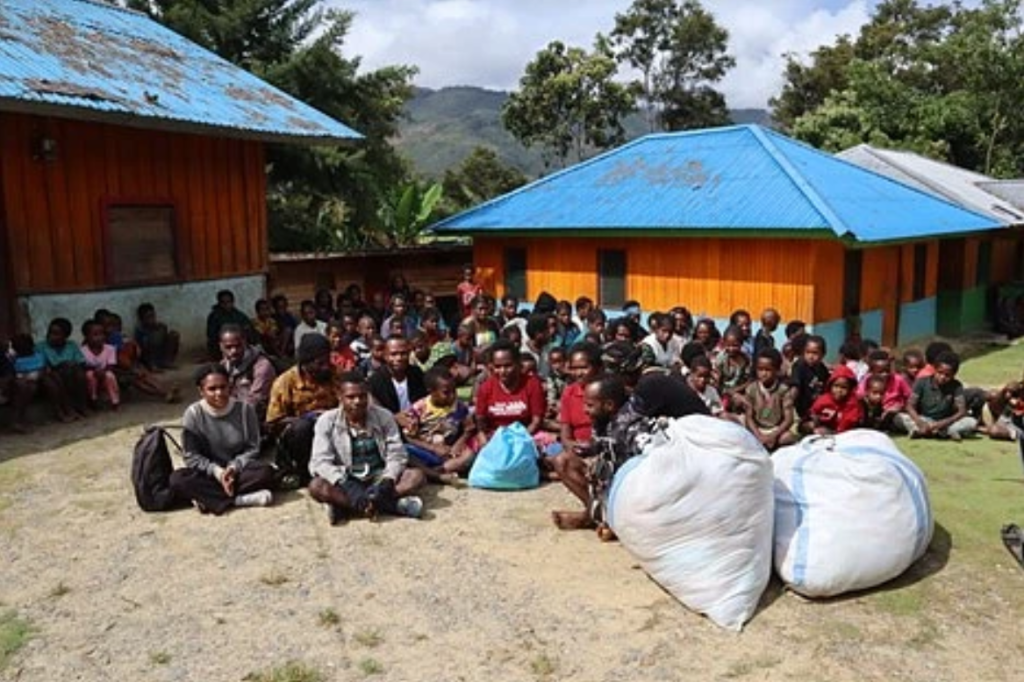
The displaced people report that they were taken in by other families originally from Nduga, but are living in extremely cramped conditions and have barely enough to eat.
“There are three, four or five families living in one household and we eat whatever we find,” said one.
“It is not easy to get enough to eat and drink. We buy 20 kilos of rice for us all, but it is only enough for two days,” said another.
Having been displaced for five years, the displaced want nothing more than for the conflict to be over so they can return home.
* STT stands for Sekolah Tinggi Teologi, or theological college